
Is Vomiting in Dogs an Emergency?
- Vet Nurse Emily
- 23 hours ago
- 6 min read
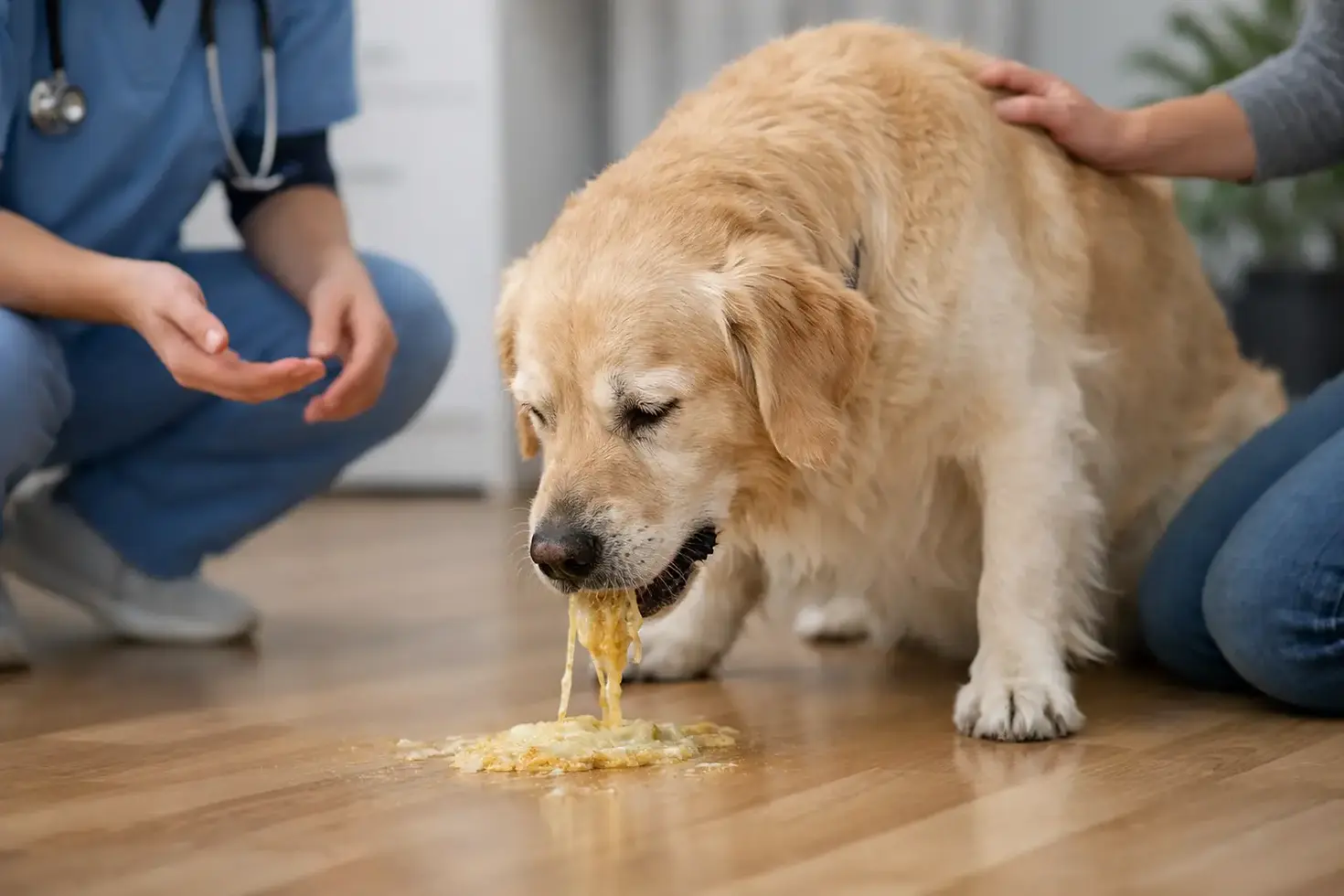
One vomit on the kitchen floor at 2 am can look very different from a true emergency. Sometimes a dog has eaten too quickly, pinched something from the bin, or developed a mild stomach upset that settles with rest. Other times, vomiting is the first sign of poisoning, an intestinal blockage, pancreatitis, bloat, or another serious condition that needs urgent veterinary care. If you are asking is vomiting in dogs an emergency, the honest answer is that it depends on what else is happening, how often it is occurring, and what your dog may have eaten.
Is vomiting in dogs an emergency or can it wait?
Vomiting becomes more concerning when it is repeated, forceful, or paired with other signs of illness. A dog that vomits once, then returns to normal behaviour, is bright, and wants to drink may not need emergency treatment straight away. A dog that keeps vomiting, cannot keep water down, seems weak, painful, distressed, or bloated should be assessed promptly.
The timing matters too. Puppies, elderly dogs, and dogs with existing health problems can deteriorate faster than a healthy adult dog. Small dogs can become dehydrated more quickly, and brachycephalic breeds may struggle more if nausea is paired with breathing difficulty or stress.
There is also an important difference between true vomiting and regurgitation. Vomiting usually involves retching, abdominal effort, and partially digested food or bile. Regurgitation tends to happen more passively, often shortly after eating, and the material may look undigested. Both can be significant, but they point to different problems and should be described clearly when you speak with a vet.
When vomiting in dogs is an emergency
Some situations should not be watched at home. If your dog is vomiting and has eaten chocolate, xylitol, grapes, raisins, human medication, snail bait, cannabis products, cleaning products, or any unknown substance, treat it as urgent. The same applies if your dog may have swallowed a toy, bone, corn cob, string, fabric, or other object that could cause an obstruction.
You should also seek urgent care if your dog is vomiting blood, bringing up material that looks like coffee grounds, or producing repeated vomit with nothing left to bring up. A swollen abdomen, obvious abdominal pain, collapse, pale gums, weakness, shaking, trouble breathing, seizures, or marked lethargy all raise the urgency significantly.
Repeated unsuccessful retching is especially serious in deep-chested dogs because it can be associated with gastric dilatation-volvulus, often called bloat. This is a life-threatening emergency. Dogs may pace, drool, retch without bringing much up, and become increasingly distressed. In that situation, waiting to see if it passes is risky.
Persistent vomiting can also be an emergency even without dramatic signs. If your dog vomits several times in a few hours, continues through the day, or cannot hold down small amounts of water, they need veterinary assessment. The danger is not just the vomiting itself but the reason behind it and the rapid loss of fluids and electrolytes.
Signs that help you judge the risk
When owners call about vomiting, vets are usually trying to work out the whole clinical picture rather than counting episodes alone. A single vomit in an otherwise happy dog is one thing. Vomiting plus diarrhoea, abdominal pain, fever, shaking, weakness, or refusal to eat is another.
Your dog’s age matters. A vomiting puppy is more vulnerable to dehydration and infectious disease. Parvovirus remains a serious concern in unvaccinated or partly vaccinated puppies, and early signs can look like ordinary gastro at first. Senior dogs may have underlying kidney disease, liver disease, hormonal disorders, or cancer that makes vomiting more significant.
The appearance of the vomit can be useful, although it does not tell the whole story. Yellow fluid may be bile. Fresh blood is concerning. Dark, digested blood can indicate bleeding higher up in the gastrointestinal tract. Foam can be seen with an empty stomach or repeated retching. Foreign material, worms, or unusual colours may provide important clues.
Behaviour often tells you more than the vomit itself. If your dog is still alert, responsive, and comfortable, that is reassuring but not a guarantee that all is well. If they are hiding, hunched, restless, vocal, unusually quiet, or do not want to be touched around the abdomen, take that seriously.
Common causes of vomiting in dogs
There is no single answer because vomiting is a symptom, not a diagnosis. Mild cases can be linked to dietary indiscretion, eating too fast, sudden food changes, motion sickness, or a minor gastrointestinal upset. These are the cases many owners hope will pass quickly, and sometimes they do.
More serious causes include pancreatitis, intestinal blockage, toxin exposure, gastric dilatation-volvulus, severe gastroenteritis, kidney disease, liver disease, endocrine conditions, infections, heat-related illness, and adverse reactions to medication. Dogs with chronic intermittent vomiting may also have food sensitivities, inflammatory bowel disease, ulcers, or problems outside the gut altogether.
That is why there is some trade-off in waiting. Monitoring at home may spare a dog with a mild upset an unnecessary trip, but delaying too long in a dog with an obstruction or toxin exposure can make treatment more complex, more expensive, and less successful.
What to do if your dog is vomiting
Start by removing access to food, rubbish, toys, bones, medications, chemicals, and anything else your dog could keep swallowing. Keep them somewhere quiet and cool where you can observe them closely. If they are bright and have only vomited once, you may be advised to monitor for a short period, but do not keep offering large amounts of food or water straight away.
Offer only small sips of water unless your vet tells you otherwise. If your dog vomits after drinking, that is more concerning. Never give human anti-nausea tablets, pain relief, or stomach medications unless a veterinarian has specifically instructed you to do so. Some common household medicines are dangerous for dogs and can complicate treatment.
Try to note what happened before the vomiting started. Did your dog raid the bin, chew a toy, eat rich food, get into compost, or have access to toxins in the garden or garage? How many times have they vomited? Are they passing faeces normally? Is there diarrhoea? Are they urinating? This information helps the veterinary team judge urgency and prepare for likely next steps.
If your dog may have eaten something toxic or swallowed a foreign object, do not wait for more symptoms to appear. Call a vet immediately. Early intervention can make a major difference.
What your vet may need to check
When vomiting is persistent or severe, treatment is not just about stopping nausea. Your vet may need to assess hydration, circulation, temperature, abdominal pain, and evidence of shock or obstruction. Depending on the case, diagnostics can include blood tests, abdominal imaging such as X-rays or ultrasound, faecal testing, and monitoring in hospital.
This is where a hospital setting can matter. Dogs that are dehydrated, painful, too nauseated to keep fluids down, or suspected of having a blockage or toxin exposure may need intravenous fluids, injectable anti-nausea medication, pain relief, repeat bloodwork, imaging, or surgery. In more complex cases, around-the-clock monitoring allows treatment to be adjusted quickly if the situation changes.
For pet owners across Western Sydney and the Macarthur region, having access to both emergency and ongoing veterinary care through one service can make difficult decisions easier when a vomiting dog needs urgent assessment and follow-up.
When it is reasonable to monitor at home
There are situations where brief home monitoring may be appropriate. If a healthy adult dog vomits once, remains bright, comfortable, and interested in their surroundings, and there is no known toxin exposure or foreign body risk, your vet may suggest observation. Even then, the window for waiting is usually short.
If vomiting happens again, your dog seems flat, they stop drinking, develop diarrhoea, show abdominal discomfort, or you simply feel something is not right, it is time to have them examined. Owners know their dogs well. That instinct that your dog is not behaving normally is worth listening to.
A calm decision is better than a delayed one. Vomiting in dogs sits in that difficult category where some cases are minor and some are urgent, but the signs can overlap early on. If you are unsure, call and talk it through with a veterinary team. It is always better to ask early than to be left guessing while your dog becomes more unwell.
The safest rule is simple: one mild episode in a well dog may be watchable, but repeated vomiting, any sign of pain or weakness, suspected toxin exposure, or a dog that just does not seem right deserves prompt veterinary attention. When in doubt, act early and let a professional help you decide the next step.


Comments