

How to Care for Pets After Surgery
- Vet Nurse Emily
- 23 hours ago
- 6 min read
The first night after your pet comes home from surgery can feel longer than any other. They may be sleepy, unsettled, quieter than usual, or not quite themselves yet. Knowing how to care for pets after surgery helps you spot what is part of normal recovery, what needs a quick phone call, and how to make home feel safe while healing begins.
Every pet and every procedure is different. A dog recovering from a routine desexing surgery will need different care from a cat after an orthopaedic procedure or a rabbit after dental work. Your discharge instructions should always come first, because they are tailored to your pet, their anaesthetic, their medication, and the operation they have had. Still, there are a few principles that matter in almost every case.
How to care for pets after surgery at home
The main goals are simple - keep your pet comfortable, protect the surgical site, limit activity, and watch closely for changes. Recovery tends to go best when the home environment is calm and predictable.
Set up a quiet recovery space before your pet arrives home. Choose an area away from stairs, slippery floors, rough play, and household noise. Soft bedding is helpful, but it should also be easy for your pet to get on and off without straining. For cats, that may mean a single-room set-up with food, water, litter, and bedding all close together. For dogs, it often means crate rest or confinement to a small room, depending on the surgery.
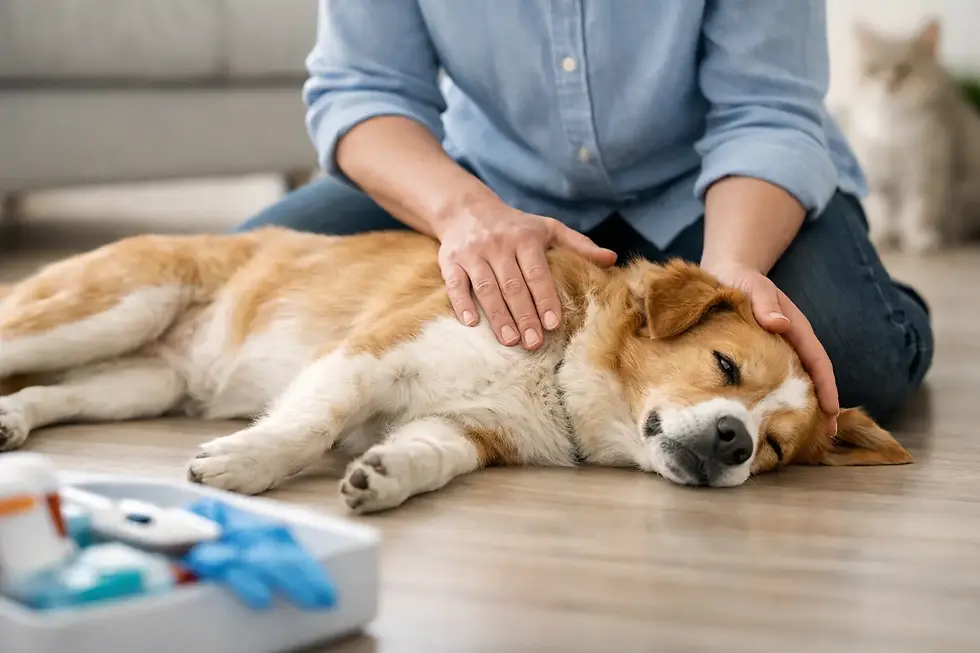
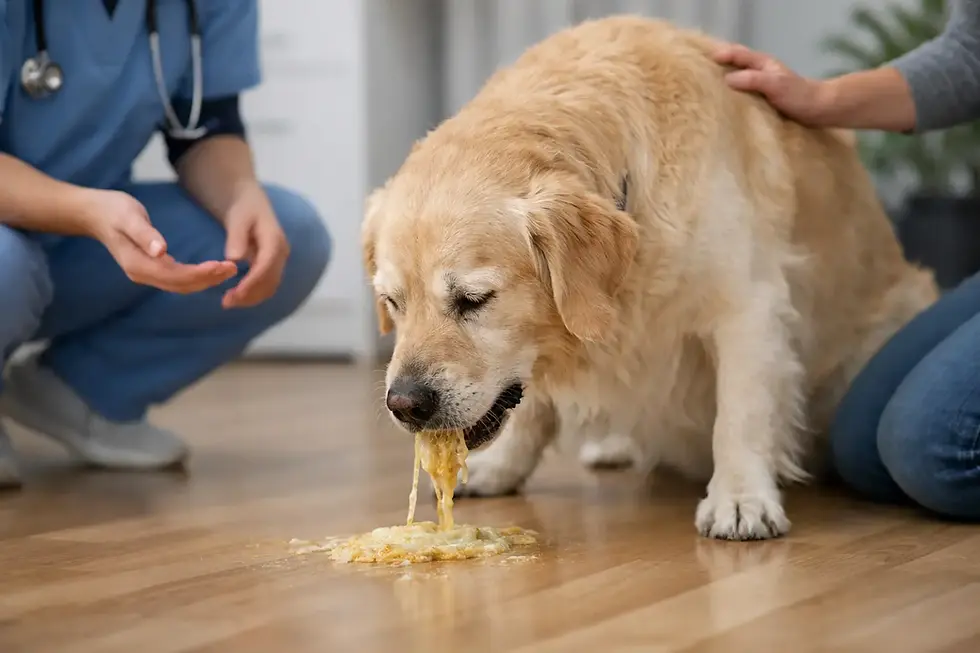
Anaesthetic can affect coordination and appetite for several hours, and sometimes into the next day. It is common for pets to seem drowsy or a little wobbly at first. What is not normal is collapse, extreme weakness, pale gums, repeated vomiting, difficulty breathing, or an inability to settle at all. If you see those signs, contact a vet promptly.
Rest matters more than most owners expect
One of the biggest reasons pets run into trouble after surgery is too much activity, too soon. Even when an incision looks small on the outside, there may be significant healing happening underneath. Jumping on the lounge, racing to the gate, wrestling with another pet, or pulling on the lead can all place stress on tissue that is still fragile.
That is why exercise restriction is often strict. For some pets, that means lead walks only for toileting. For others, it means no running, no stairs, no jumping, and no off-lead time for 10 to 14 days, sometimes longer. Orthopaedic patients may have even tighter restrictions and a slower return to normal movement.
This can be frustrating, especially if your pet starts acting brighter after a day or two. Feeling better does not mean fully healed. In fact, many pets are at their most risky when their energy returns before their incision has strengthened.
Food, water, and toileting after surgery
When your pet gets home, offer water in small amounts unless your vet has advised otherwise. Some pets drink normally straight away. Others feel a bit off-colour after anaesthetic and may need time.
Feeding is often best done gently. A small, light meal the evening after surgery is commonly recommended, with a return to normal feeding the next day if there is no vomiting. If your pet has had gastrointestinal surgery, dental surgery, or another procedure that affects eating, your vet may advise a different plan, including softer food or smaller, more frequent meals.
Toileting can also be a little different for the first 24 hours. Some pets will not urinate or pass faeces on their usual schedule, particularly if they have eaten less, had fluids during hospitalisation, or feel hesitant about moving. Mild delay can be normal, but straining, obvious pain, or no urination at all should be taken seriously.
Medications need to be exact
Pain relief is one of the most important parts of surgical recovery. Pets in pain may hide, pant, tremble, pace, stop eating, become withdrawn, or react when touched. Others become restless rather than quiet. Because signs can be subtle, it is safest to assume your pet needs the medications prescribed and to give them exactly as directed.
Do not stop pain relief early just because your pet seems comfortable. That comfort may be the result of the medication working as intended. Missing doses can make recovery harder and may reduce appetite, sleep, and willingness to move normally.
It is equally important not to give human medications unless your vet has specifically instructed you to do so. Many common products in the medicine cupboard are dangerous for pets, even in small amounts.
If giving tablets is difficult, call your clinic before doses are missed. There is often another way to help, whether that means a different formulation, a compounding option, or practical advice on administration.
Watching the wound without fussing over it
Incisions should generally be clean, dry, and closed. A small amount of redness, mild swelling, or light bruising can be normal, especially in the first couple of days. What you do not want to see is active bleeding, yellow or green discharge, a bad smell, marked swelling, gaping edges, or skin that looks increasingly angry rather than gradually calmer.
Check the wound once or twice a day in good light. More than that often creates stress for both owner and pet, and constant handling can irritate the site. If your vet has not told you to clean the wound, do not apply creams, antiseptics, ointments, or home remedies. Many products delay healing or encourage licking.
Licking is a major problem after surgery. Even a few minutes of focused licking can damage stitches and introduce infection. That is why protective collars, medical shirts, bandages, or recovery suits are used. If your pet hates the cone, that is understandable, but removing it unsupervised often leads to setbacks. Temporary frustration is usually far easier than a reopened incision.
Behaviour changes can be normal - until they are not
Some pets are clingy after surgery. Others want to be left alone. Cats may hide. Dogs may whine at night or seem mildly confused after coming home. These behaviours can happen during recovery from anaesthetic, pain, and disruption to routine.
The key is whether your pet is gradually trending in the right direction. You want to see steady improvement in comfort, alertness, appetite, and interest in their surroundings. A pet who is becoming more distressed, more painful, or more flat as time passes needs reassessment.
Trust what you know about your own animal. Owners often notice early changes before anyone else does. If something feels off, it is worth asking.
How to care for pets after surgery when there are children or other animals
A recovering pet often needs more protection than affection. Children usually mean well, but excitement, cuddles, and accidental bumps can make recovery harder. Keep expectations clear and supervision close.
Other pets can also create problems, even if they are usually gentle companions. Play can escalate quickly, and some animals are drawn to surgical wounds or bandages. During the early recovery period, separation is often the safest option.
This is one of those times when management matters more than good intentions. Baby gates, closed doors, crates, and separate feeding areas can make a real difference.
When to call your vet straight away
You do not need to panic over every quiet moment or missed meal, but some signs should prompt urgent advice. Contact your vet promptly if your pet has trouble breathing, collapses, will not wake properly, has repeated vomiting, develops significant bleeding, chews out stitches, cannot urinate, seems suddenly painful, or has a wound that opens or becomes infected.
A fever is not always easy to identify at home, but a pet who is unusually hot, very lethargic, shivering, or refusing food may need review. Likewise, if pain medication seems ineffective, do not wait it out for days. Uncontrolled pain slows recovery.
For more complex procedures, your vet may also have warned you about specific complications to watch for. Those instructions should carry extra weight because they relate directly to your pet's surgery.
Follow-up care is part of the treatment
The operation is only one part of the process. Recheck appointments, bandage changes, repeat imaging, suture removal, and rehabilitation plans all help determine the final outcome. Skipping follow-up because your pet looks better can undo good work.
This is especially true for orthopaedic, eye, abdominal, and emergency surgeries, where healing may need close monitoring. At VECA, we often remind owners that continuity matters. The best recovery plans combine what happened in hospital with what happens consistently at home.
If you are ever unsure whether a change is normal, ask early. Most post-operative problems are easier to manage when caught quickly, and sometimes reassurance is exactly what is needed.
The kindest thing you can offer a pet after surgery is not constant fuss. It is calm, careful support, a safe environment, and prompt action if recovery shifts off course.

Comments