
Does Pet Insurance Cover Surgery in Australia & Can I Get It After Surgery?

Updated: Aug 5
Your dog has been off his back leg for a week. The vet just told you he needs cruciate surgery, and the estimate is over four thousand dollars. The first question almost every pet owner asks next is the same one: Does pet insurance cover surgery like this?
We hear this question every day at Veca. As a 24/7 emergency vet team in Sydney, we process pet insurance claims for our clients constantly, including Petsure eClaims and GapOnly on the spot. So, we have a clear view of what gets approved, what gets denied, and why.
This article walks through what pet insurance covers in Australia when surgery is on the cards for dogs and cats, what it doesn't, and the rules around waiting periods and pre-existing conditions that catch most pet owners off guard. It's general information, not financial advice. Always check your Product Disclosure Statement for your specific policy.
Does Pet Insurance Cover Surgery in Australia?

In most cases, yes. Australian accident and illness pet insurance policies cover surgery for unexpected accidents and illnesses in pets, provided the condition is not pre-existing and the relevant waiting period has passed. Reimbursement typically sits between 60% and 90% of eligible vet bills, with annual coverage limits, sub-limits for specific conditions, and an excess applying.
Three main types of pet insurance policies are sold in Australia for dogs and cats:
Accident only. The cheapest tier. Covers surgery and treatment for unexpected accidents (a fight with another dog, a car incident, a snake bite, a swallowed foreign body). Illness is not covered.
Accident and illness. The most common tier. Surgery and treatment are covered for both accidents and illnesses in dogs and cats, including most of the major surgeries we see at Veca.
Accident, illness and routine care. Adds a routine care benefit, which can contribute toward desexing, vaccinations, dental cleans and other preventative veterinary items for pets, usually up to a small annual cap.
One feature worth knowing about is GapOnly. It lets you pay only the gap between the veterinary invoice and your eligible benefit at the time of treatment, rather than paying the full bill up front and waiting for reimbursement. We process GapOnly claims at Veca for participating insurers between 8 am and 10 pm, Monday to Saturday. For a $5,000 cruciate surgery on a dog, that can be the difference between paying the full bill today and paying only the gap that isn't covered.
What Surgeries Are Typically Covered (and What Isn't)
Most Australian accident and illness policies cover surgery for unexpected illness or injury in pets, subject to waiting periods, exclusions, and the pre-existing rule.
Common surgeries we treat at Veca that are usually covered include:
Emergency surgery for trauma (road accidents, dog fights, falls)
Foreign body removal (the sock, the corn cob, the rubber ball)
Fracture repair
Cruciate ligament repair (knee surgery, including TPLO)
Tumour removal and other cancer treatment surgeries
Cataract surgery and other eye surgeries (where not pre-existing)
Dental surgery for disease (rather than routine cleaning)
Orthopaedic surgeries, including hip dysplasia surgery
What pet insurance usually does not cover
Several categories of veterinary treatment are excluded under almost every policy:
Elective and cosmetic procedures. Desexing, tail docking, ear cropping, declawing, and dewclaw removal in adult dogs and cats. A routine care add-on may contribute toward desexing, but standard accident and illness cover will not.
Pre-existing conditions. Anything diagnosed or showing symptoms before the policy started or during the waiting period.
Surgery during the waiting period. If your pet is injured or diagnosed inside the waiting period, the surgery is excluded, even if the operation happens later.
Breeding-related procedures. Caesareans for breeding programs, pyometra in unspayed breeding bitches.
Experimental or alternative treatments that fall outside the policy definition of standard veterinary treatment.
Does Pet Insurance Cover Eye Surgery, Hip Dysplasia and Knee Surgery?
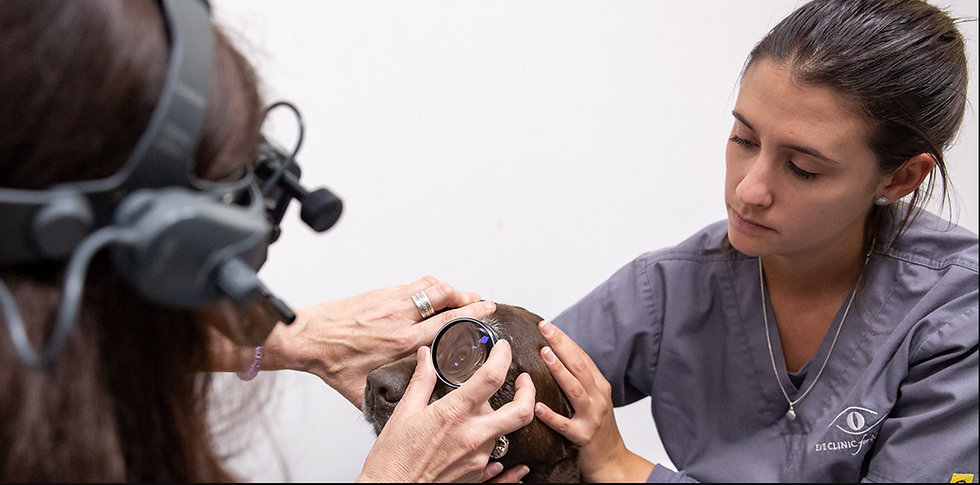
Does pet insurance cover eye surgery?
Yes, typically, including cataract surgery on dogs and cats, provided the condition isn't pre-existing. The catch with eye surgery on pets is bilateral conditions. If your pet had a cataract diagnosed in one eye before the policy started, most insurers will treat the same condition in the other eye as pre-existing, too. The same rule applies to dry eye, glaucoma and other conditions that commonly affect both eyes. And if a cataract is secondary to diabetes that was diagnosed before coverage started, expect the cataract surgery to be denied as well; the insurer looks at the underlying condition, not just the procedure.
Does pet insurance cover hip dysplasia surgery?
Most accident and illness policies cover hip dysplasia surgery, but only if the condition wasn't diagnosed or symptomatic before enrolment or during the waiting period. Several insurers apply a 6-month waiting period specifically for orthopaedic and hereditary conditions, and hip dysplasia falls into both buckets. If you have a high-risk breed of dog (Labradors, Golden Retrievers, German Shepherds, Saint Bernards, Great Danes, Rottweilers), insure them young, before any limping, stiffness or hip discomfort is mentioned to a vet. Once it's in the clinical history, even casually, an insurer can use it to classify the condition as pre-existing.
Does pet insurance cover knee surgery?
Cruciate ligament repair is one of the most common dog surgeries we perform at Veca. Most accident and illness policies do cover it, but commonly apply a 6-month waiting period specifically for cruciate and orthopaedic conditions. That's much longer than the standard 14 to 30-day illness waiting period, and it catches a lot of new policyholders off guard. Some insurers offer a waiver of the cruciate waiting period if a vet certifies the pet has no current symptoms and submits a Cruciate Ligament Waiver form, but approval is at the insurer's discretion.
Cruciate disease in one knee almost always increases the risk of the same problem in the other. Check how your policy handles bilateral conditions before you need to claim.
You can find our 24/7 surgical suites at Campbelltown and Norwest
Can You Get Pet Insurance After Surgery or Right Before It?
Can you get pet insurance after surgery?
Yes, but any condition diagnosed or treated before the policy started will be classified as pre-existing and excluded from coverage. If your dog had cruciate surgery on her left knee last year, a future cruciate problem in the right knee will most likely also be excluded because it's the same bilateral condition. Some insurers may reconsider a pre-existing exclusion after the condition is fully resolved and the pet has been symptom-free for 6 to 18 months. Cured ear infections, skin conditions and gastrointestinal upsets sometimes come off the exclusion list this way. For most pets, though, knee, ligament and bilateral conditions are permanent exclusions.
Can you get pet insurance right before surgery?
Technically yes, but practically no. Waiting periods almost always apply: 14 to 30 days for illness, and up to 6 months for cruciate and orthopaedic conditions. If the surgery happens during the waiting period, it's not covered. And if symptoms were already showing before the policy started, the insurer will look at the clinical history and decline on pre-existing grounds. The best time to take out pet insurance is when your dog or cat is young and healthy, before anything is on the clinical record. Premiums are lower, fewer conditions are excluded, and you've passed your waiting periods well before you need to claim.
Pre-existing Conditions & Waiting Periods

Most denied pet insurance claims come down to one of two things: a pre-existing condition, or a treatment that fell inside a waiting period. Understanding both is the single biggest thing pet owners can do to make sure their pets are actually covered when surgery is needed.
What counts as a pre-existing condition?
A pre-existing condition is any condition (or symptoms of a condition) your pet showed before the policy started or during the waiting period. Insurers apply this strictly, and the condition doesn't need to have been formally diagnosed. Even a casual note in the clinical history like 'mild intermittent limping, left hind' can be enough to exclude a future cruciate claim. Bilateral conditions are the other trap: if a condition can affect both sides of the body (eyes, ears, knees, hips, elbows) and one side was pre-existing, most insurers treat the other side as pre-existing too, even if it presents years later.
Standard waiting periods in Australia
Waiting periods vary by insurer, but most Australian policies follow a similar pattern:
Accidents: often 0 days, occasionally 2 to 3 days
Illness: 14 to 30 days
Cruciate ligament and orthopaedic conditions: up to 6 months
Some insurers allow you to apply for a waiver of the cruciate or orthopaedic waiting period after a clean vet check. The process usually involves a physical exam, sometimes hip or knee scoring, and a form signed by your vet. Approval is at the insurer's discretion.
For more on payment options, you can visit our Fee & Payment Options page.
Final Thoughts Before You Book Surgery
Pet insurance is genuinely useful in Australia, particularly for high-risk breeds and orthopaedic conditions that can run into five-figure veterinary bills. It works best when administered before symptoms appear, ideally in your pet's first year, and continued after that. If your dog or cat is facing surgery now, call your insurer for pre-authorisation in writing, ask your vet for an itemised estimate, check whether your vet processes GapOnly, and read the exclusions and waiting periods in your PDS.
If your dog or cat is facing surgery and you'd like to talk through what's likely to be covered, our team at Veca Campbelltown and Norwest is available 24/7 for emergencies and by appointment for planned surgery on pets. Call us, or visit veca.com.au to learn more about our surgical services and payment options, including GapOnly.
Article Reviewed & Approved By
Dr Phil Hayton, Emergency & Clinical Care Veterinarian at VECA
Dr Phil Hayton is an Emergency and Critical Care Veterinarian, working in Client Relations at Veterinary Emergency Care Australia (VECA). He has experience across emergency medicine, critical care and veterinary diagnostics, including a professional background in veterinary virology. He is passionate about clear communication, client advocacy and helping pet owners navigate difficult decisions about their animals’ care.


Comments